When I first started planning our Israel trip, my original plan was to walk what is called the Jesus Trail. A four day walk from Nazareth to Capernaum on Lake Galilee. But the planning logistics defeated me back then. So instead we linked in with a tour that was doing a bastardised version of the Jesus Trail. Walking some parts of it and bussing back to accommodation. Which is fine. As we also didn’t want to spend the last week of our Israel trip knocking ourselves out. Now that we’ve been here, I can understand better how it all works. So if ever I can lots of time and money, I will come back and do the proper trail the “fair-dinkum” way!
So we’ve linked in with another tour group and bussed with them to our accommodation at Lavi Kibbutz. Once again, the kibbutz is nothing like I had imagined. This kibbutz is run by Orthodox Jews and was started back in 1949 when Israel was given independence. On a bare hill in tents with Jewish immigrants from England who had originally been Jewish children sent to England from Europe before World War 2.

Now it’s 750 people on 2,500 acres. A huge hotel and farm with crops and animals. Their biggest source of income is from making synagogue furniture in big metal sheds. Beautiful gardens everywhere.
They still run on socialist lines. Pooling everything – cars, salaries. One/third of their workforce work outside the kibbutz, but everyone gets the same allowance. Children from the age of three months are put in childcare so the mothers can go back to work. No exceptions. The mothers can visit them in their lunch times or to feed them. I’m very glad I wasn’t born in a kibbutz. I would find the lack of choices very difficult!
The older man who showed us round the kibbutz has been here for most of his adult life. None of his five children live here. His three sons are not religious he says. And his two daughters wanted a stricter form of Judaisim.
There are 256 kibbutzim (which I’ve learnt is the plural of kibbutz) in Israel, but only 16 are religious. And lots of them are now privatised.
Our accommodation is a room in a cabin set amongst the gardens. I think these cabins were probably for kibbutzniks. That’s what they call people who live in kabbutz.
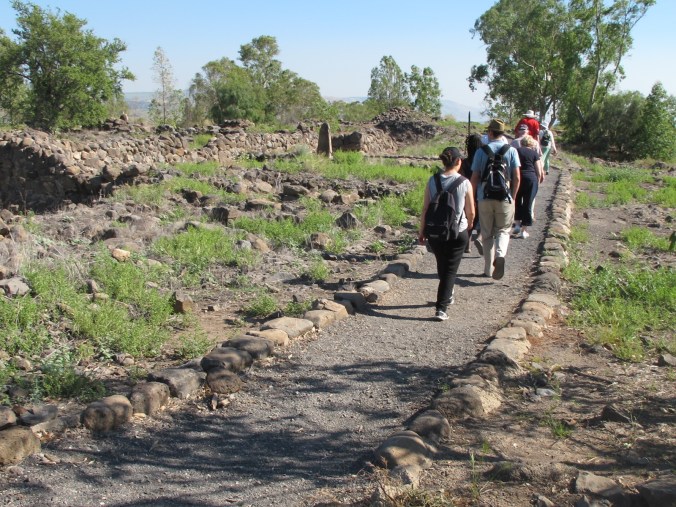
This morning we walked for several hours to the Horns of Hattin and back. Part of the Jesus Trail. We first had to walk through the Lavi Kibbutz farm. Lots of healthy and happy-looking cows. Past hay fields with tractors loading up the hay bales on to trucks.

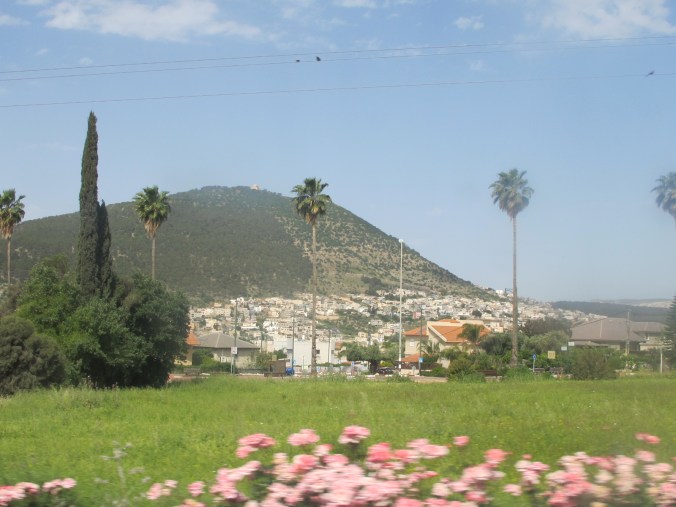
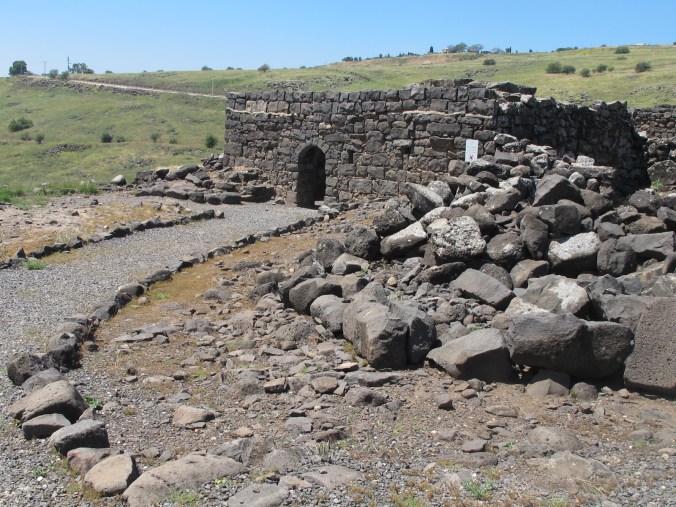
The Horns of Hattin are a double-peaked volcanic hill. Nearby was a big battle in 1187 between the Crusaders and the Muslims which the Muslims decisively won and was the beginning of the end of Crusader presence in the region.

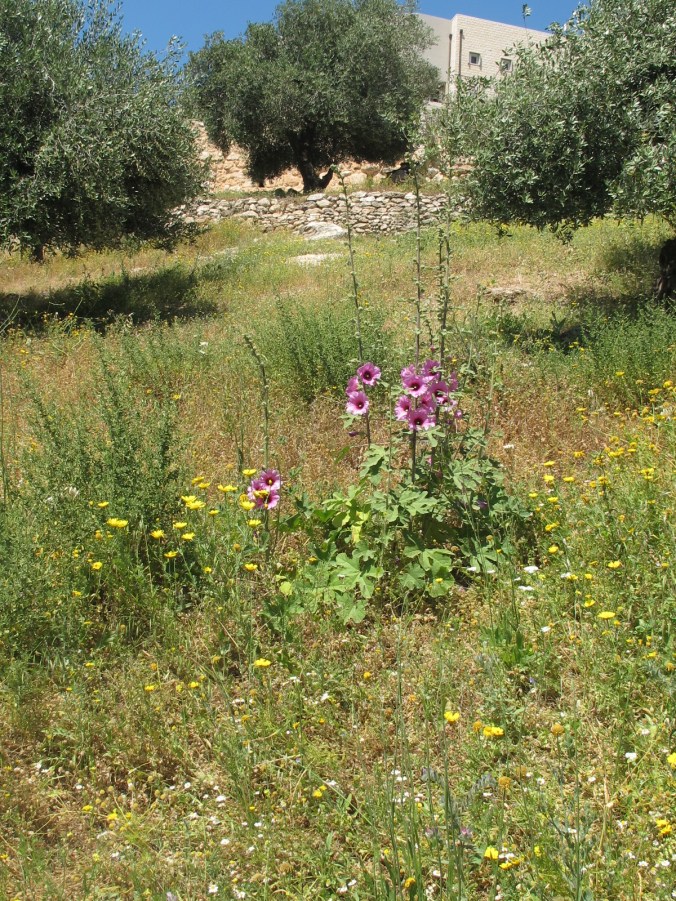
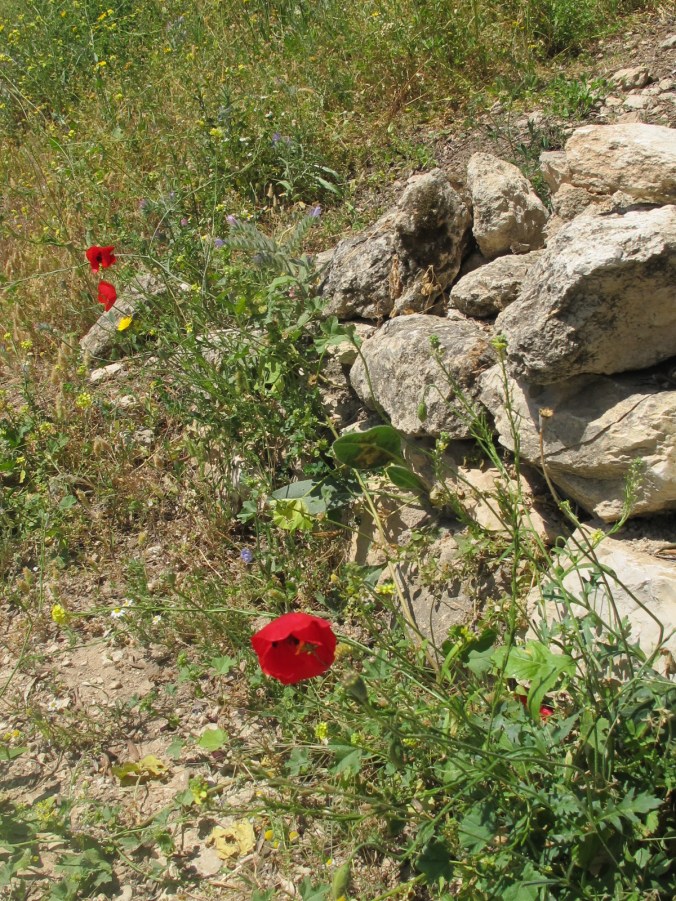
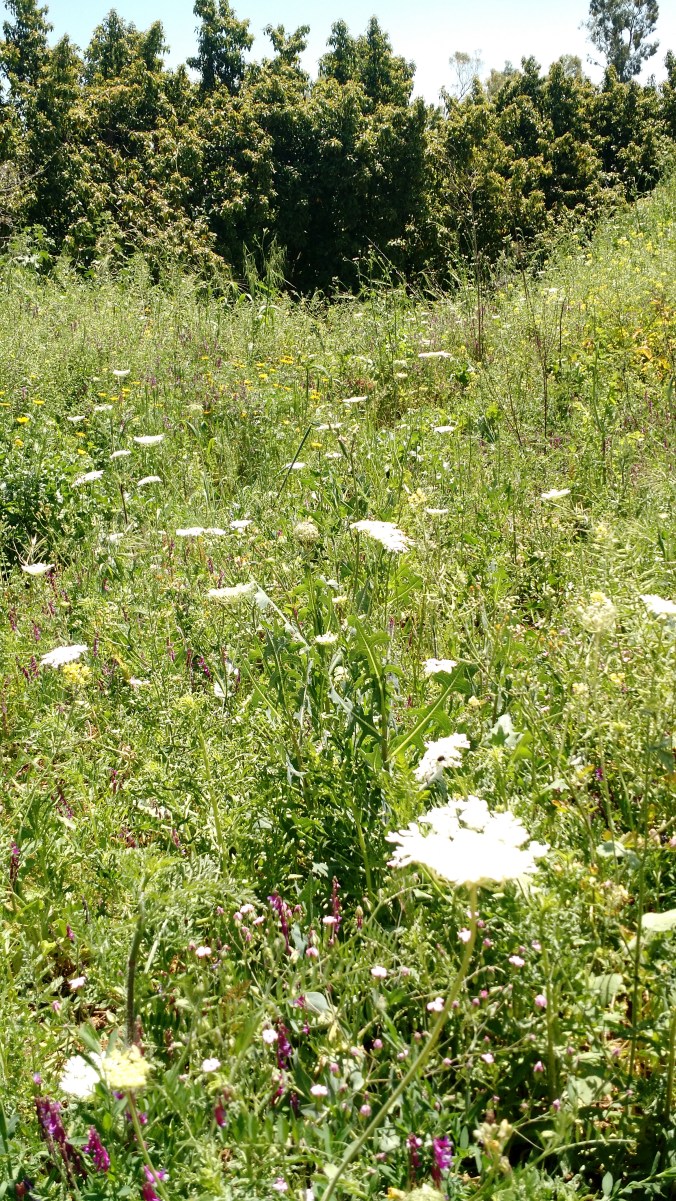
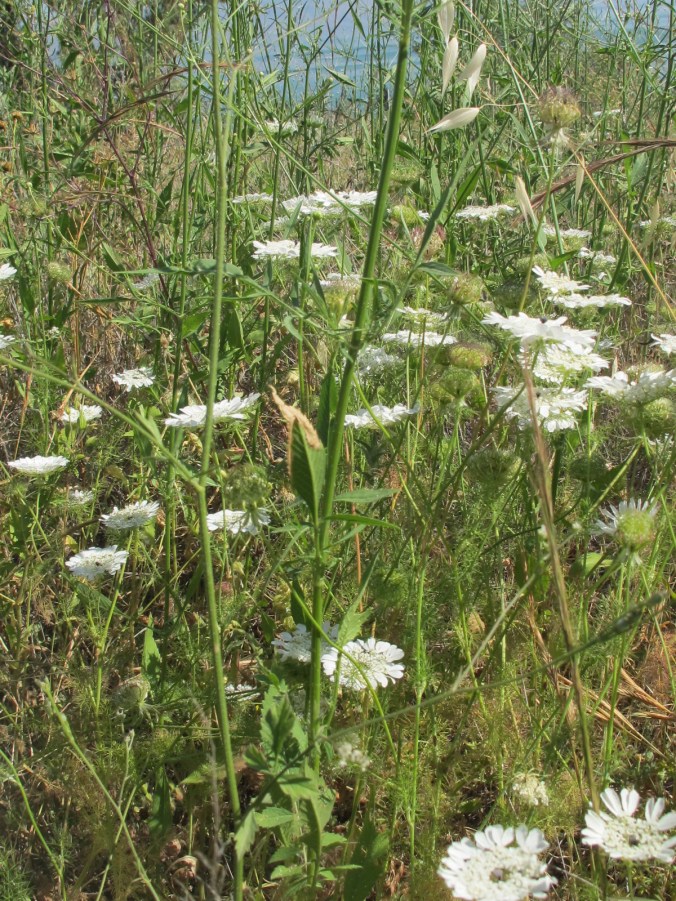
A lovely sunny day for a walk. Beautiful wildflowers and purple thorns growing by the road and all over the hill. Hundreds of white and orange butterflies fluttering around. Birds soaring high on the thermal winds. Philip saw a coney or rock-rabbit but it was too quick for me to get a photo. It disappeared into the pile of rocks.
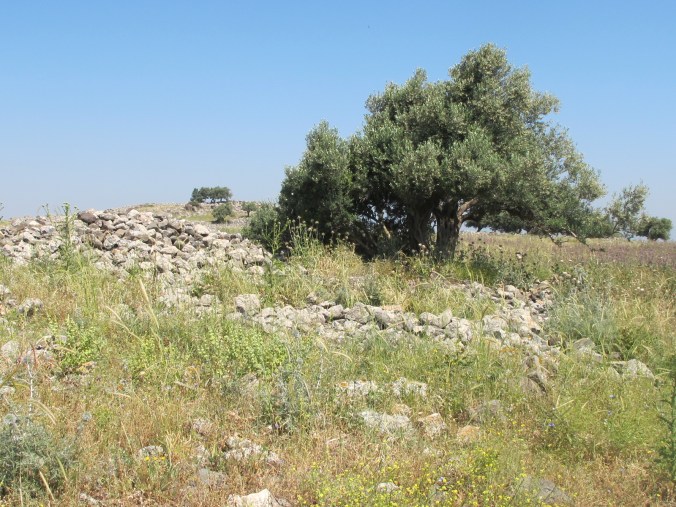
Philip and I seem to be the fittest on this tour. We clambered all over the Hill when we got there, exploring it. Very rocky. And then down the other side following the Jesus Trail markers. Very steep and rocky and a bit of a challenge. After a while the path was taking us in a direction we didn’t want to go.

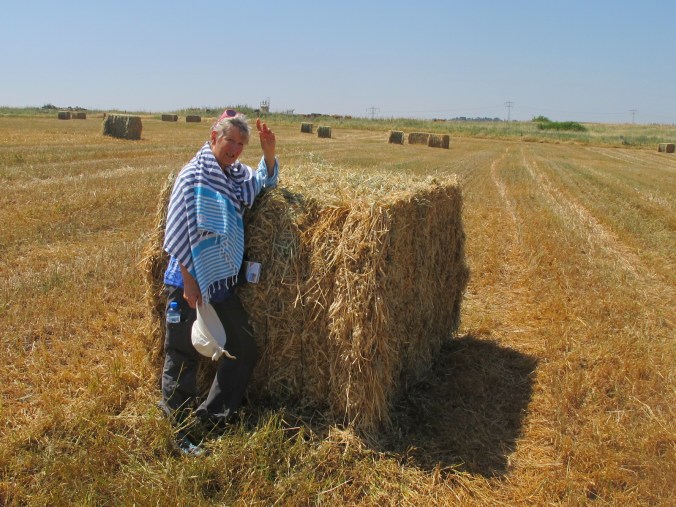
So we back-tracked a bit, climbed under barbed wire fences. Tried to avoid thistles and prickles. Not always very successfully. Trekked across harvested and hay-baled fields. Back to the kibbutz. To meet up with the rest of the group. It was such a fun little adventure.
After lunch, our group got on our little shuttle bus and drove to Zippori. We got to spend several hours wandering around the huge excavated ruins of a magnificent city set up on top of a hill. Inhabited by Jews, Christians, Greeks and Romans in its past.
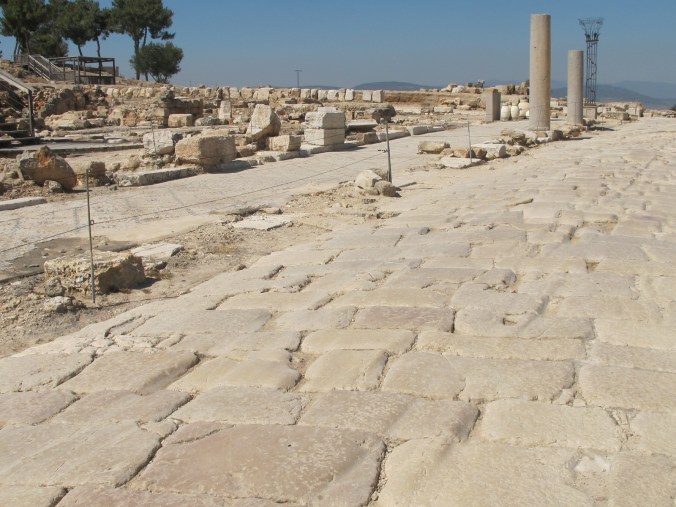
Streets, buildings, a theatre, synagogue and churches, bathhouses. The roads are Roman and if you look carefully you can see the ruts from the wagons indenting the paved road.
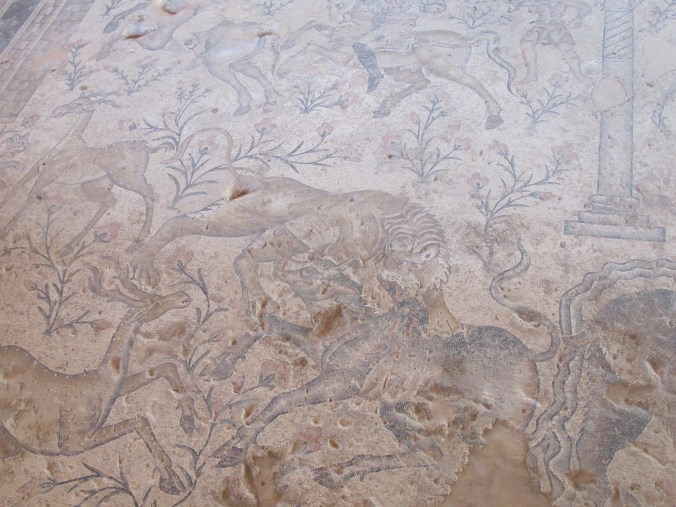
But the most spectacular thing that I marvelled at were the floor mosaics. Beautifully detailed and colourful and some bits are still in place on the floors, having gone through a preservation and conservation process. Showing stunning artistic and creative, skillful execution. They definitely had a “wow” factor!

A Roman theatre probably built at the end of the 1st century. Jews weren’t supposed to go to theatres.

On top of the hill was a fortress built during the Crusader period, but built out of dressed stones taken from earlier buildings. This building has been used for various things including a school right up to 1949. Spectacular views from the roof. The mountains, the hills. the farmland valleys. The beautiful green of Galilee countryside.
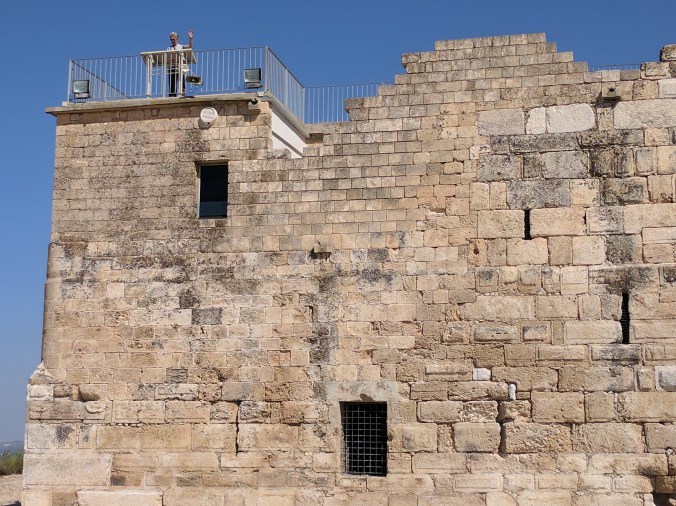
After Jerusalem was razed to the ground by the Romans in 70 AD, the Jewish Sanhedrin Council eventually moved to Zippori.
The highlight of the Horns of Hattin was our adventure. The highlight for Zippori was the mosaics.

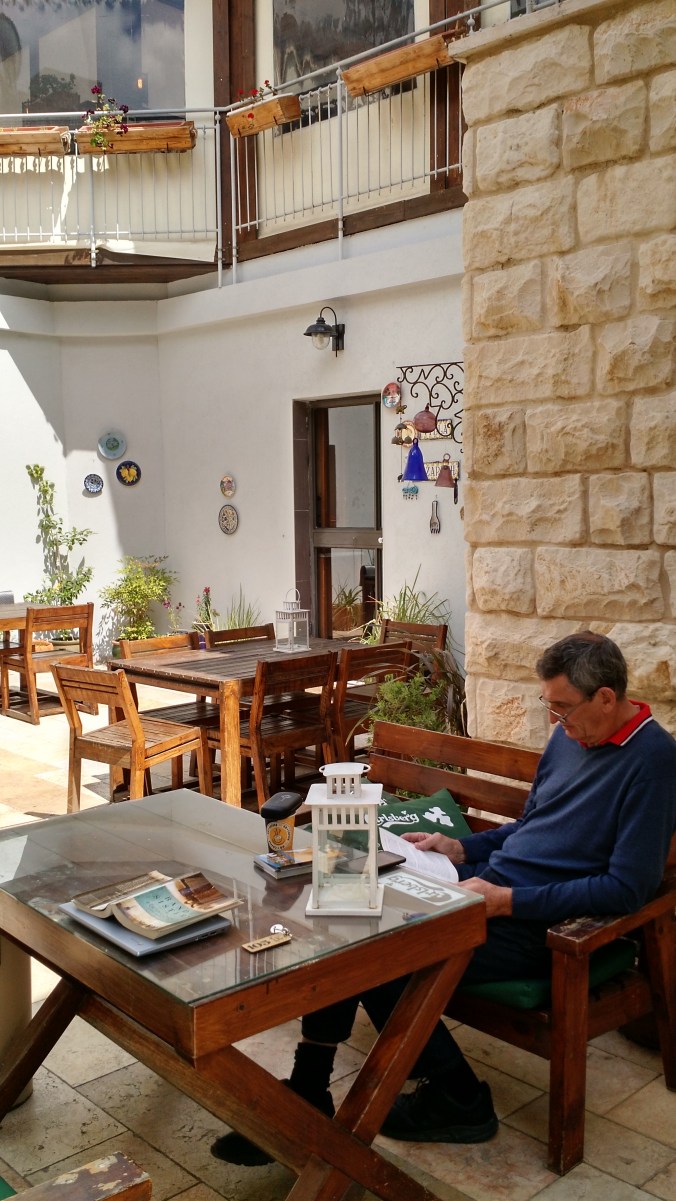


 A wonderful down-day. For down time.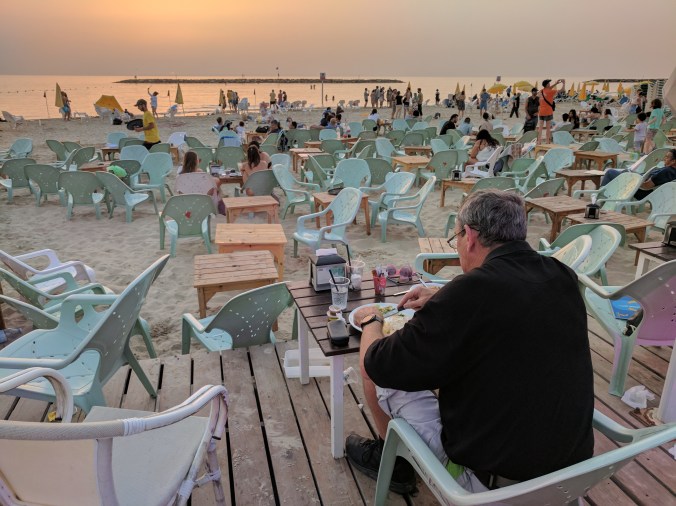



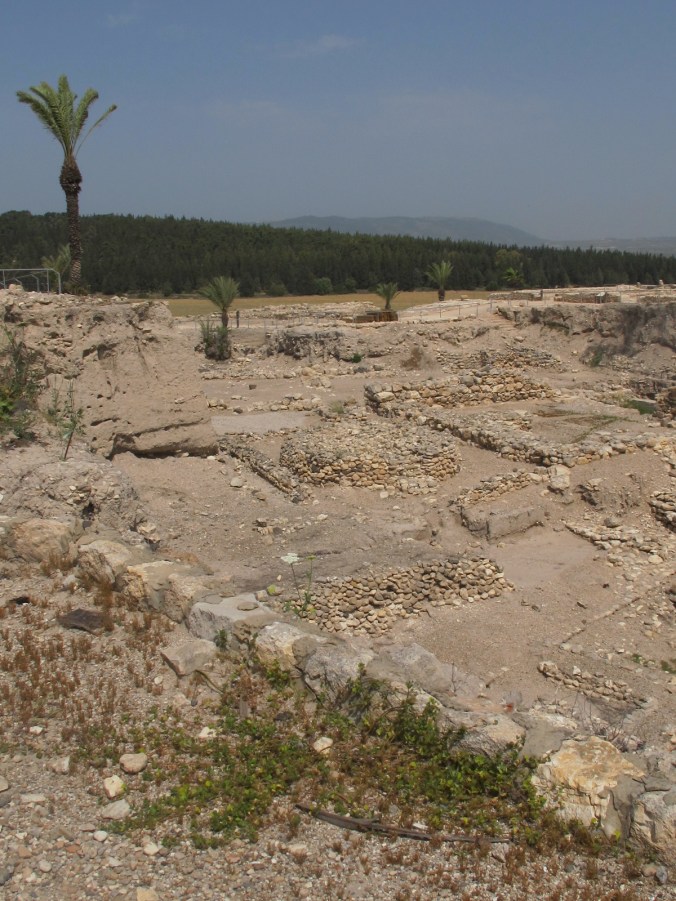
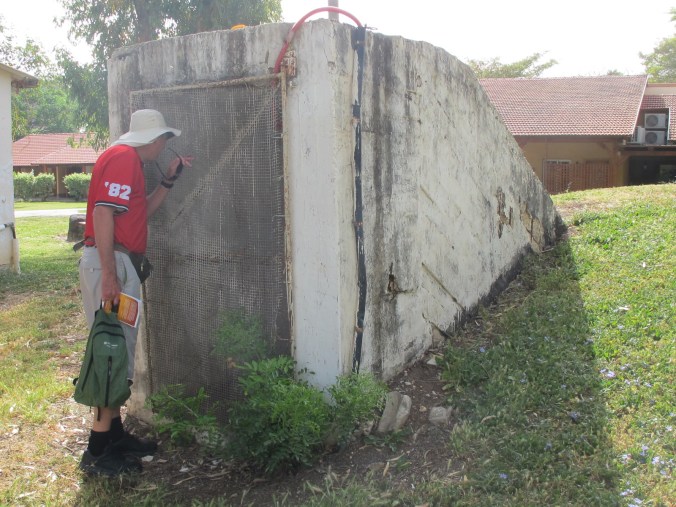


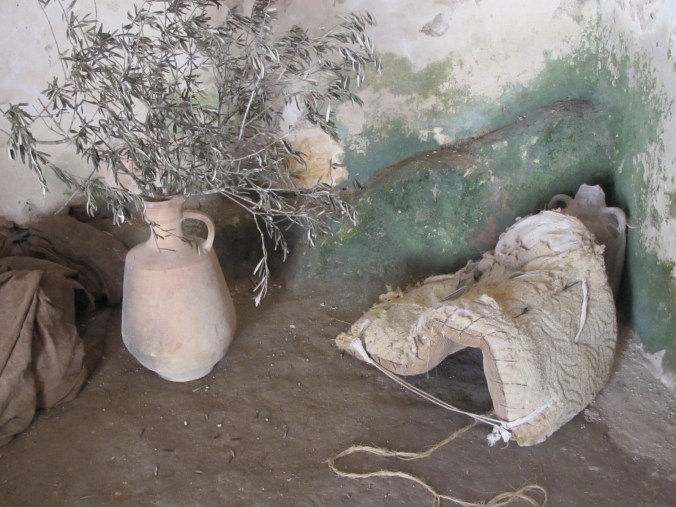
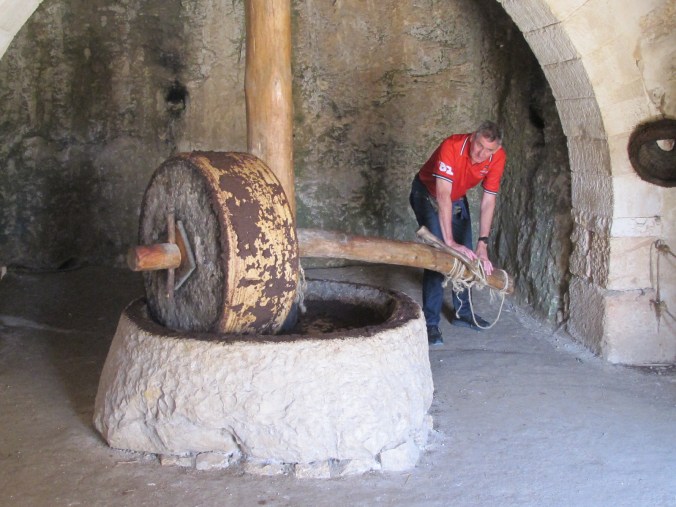
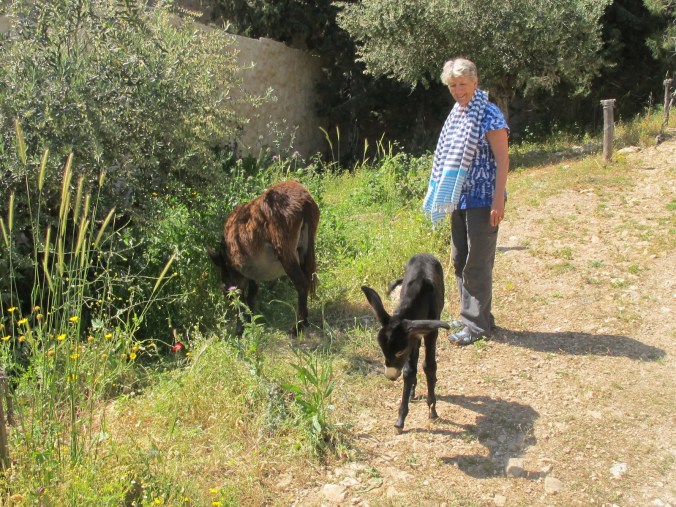
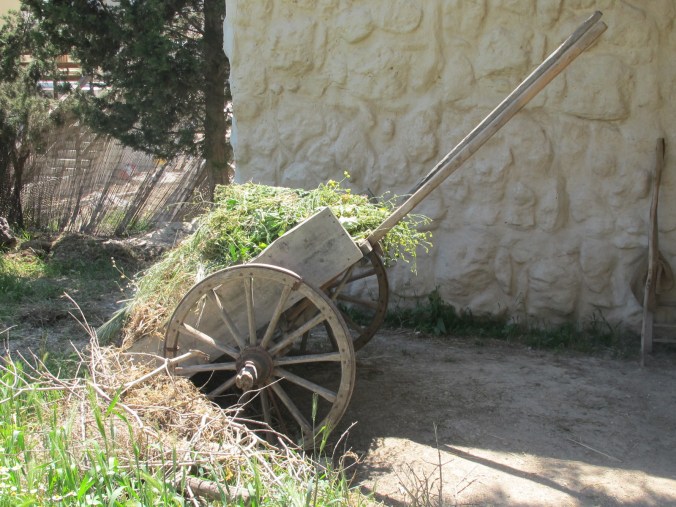
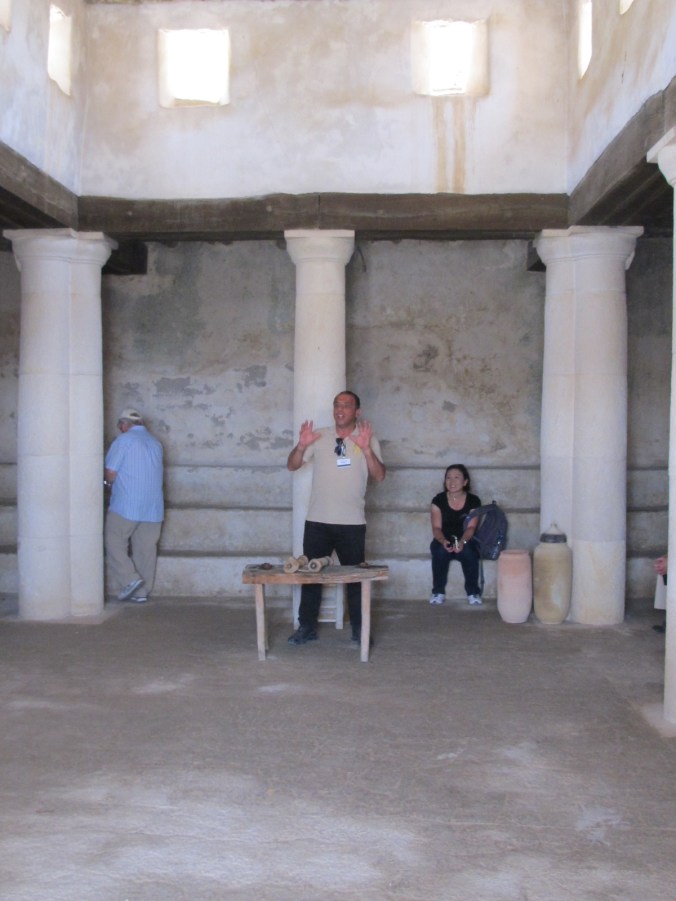
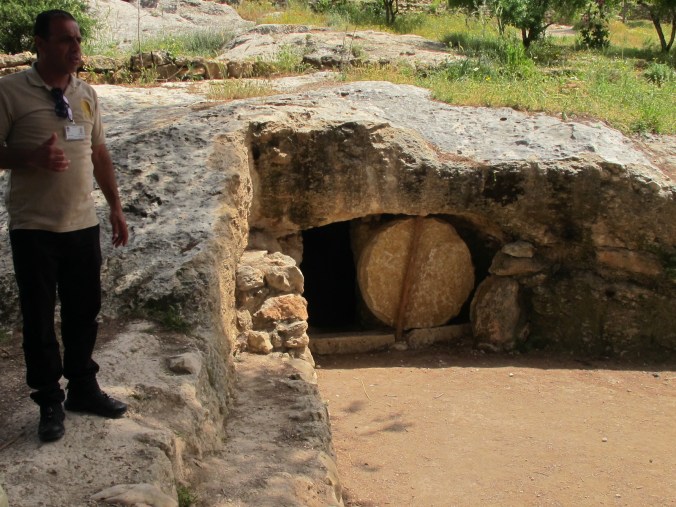
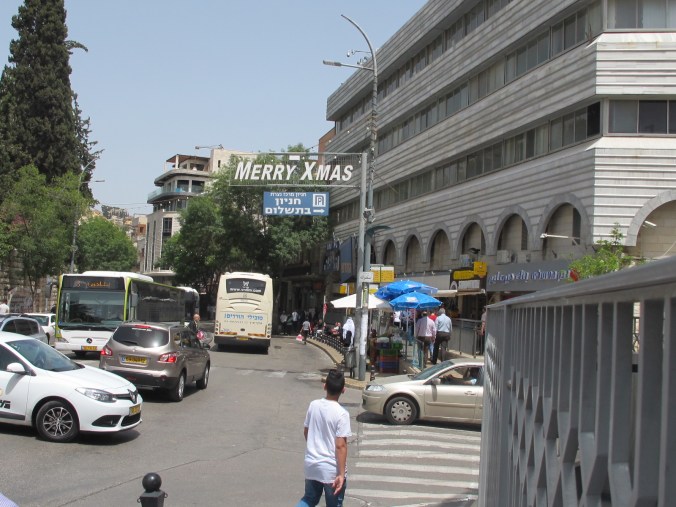 . We walked to the nearby Nazareth Village. An historically and archaelogically accurate recreation of what life was life in the first century, at the time of Jesus.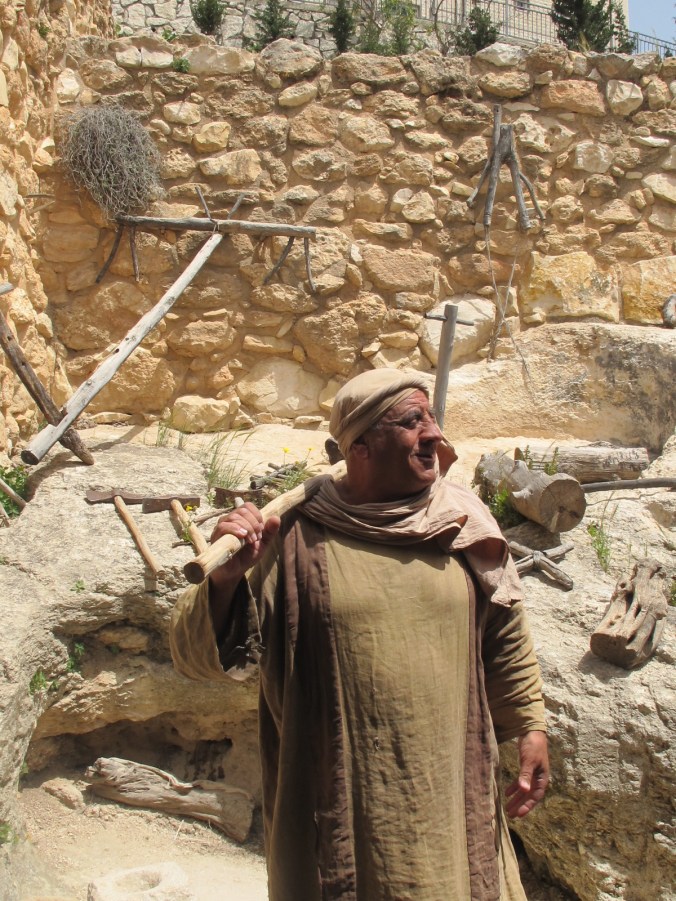
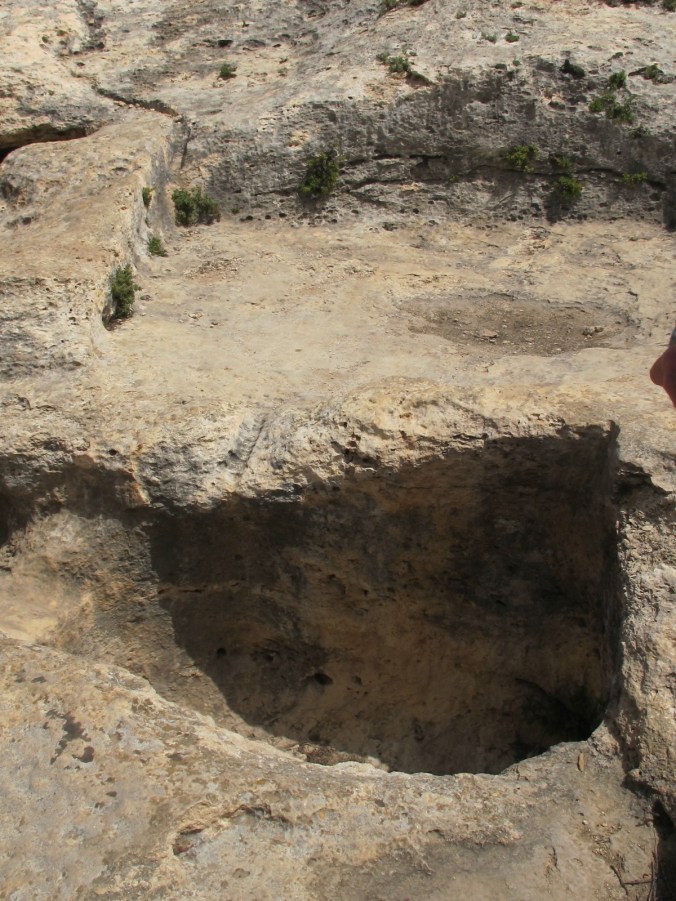
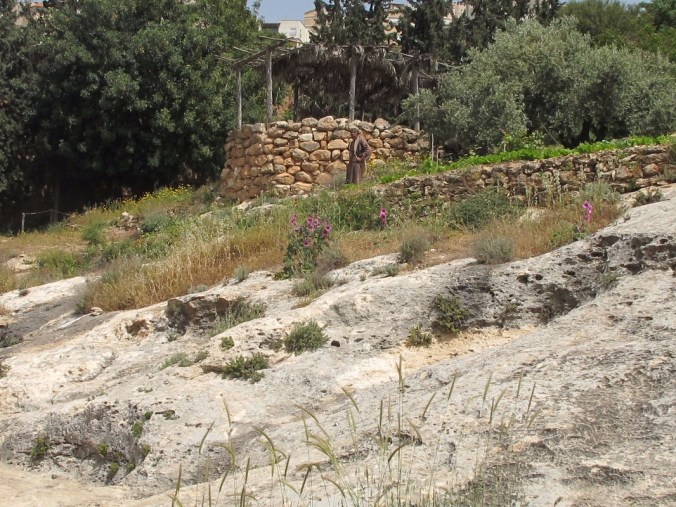
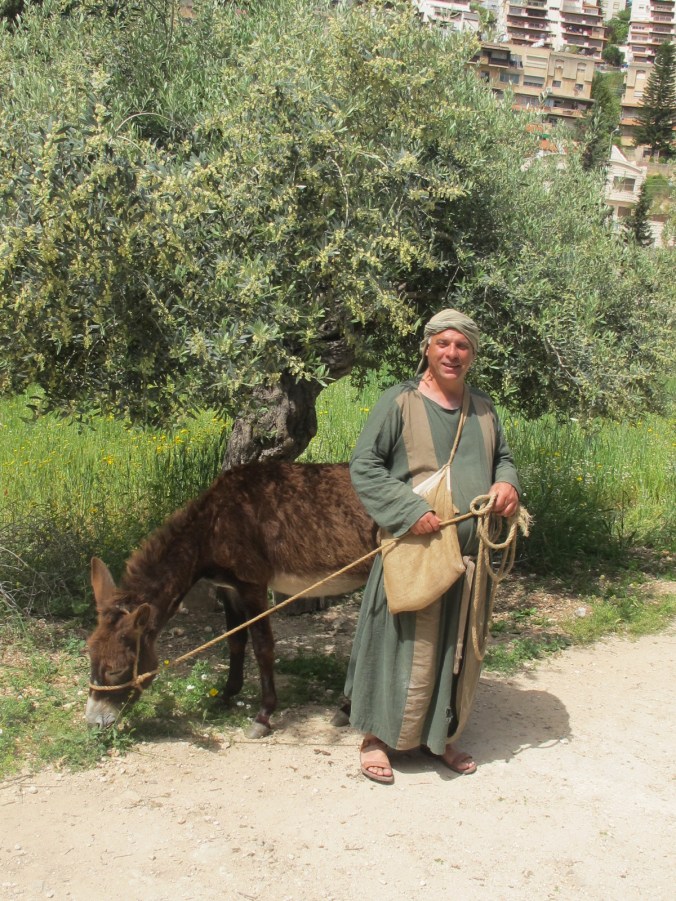 Jesus’s sayings and parables make so much more sense and are more challenging when you see the context.

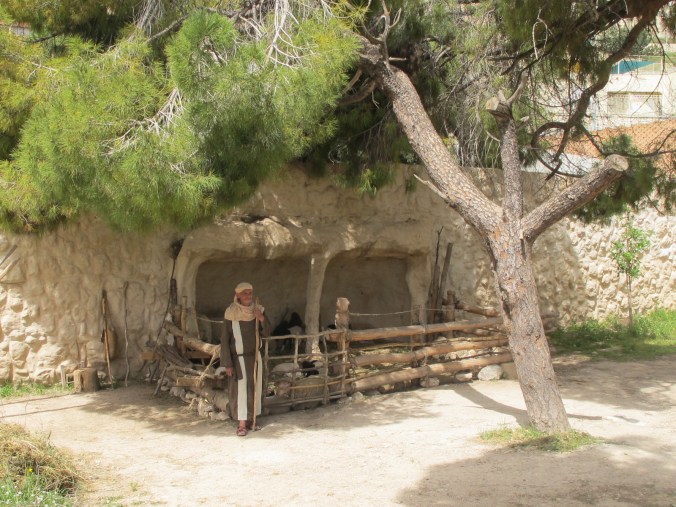


 This is a plough. There’s a handle for ‘putting your hand to the plow’. The closest vertical pole is the plough stick. The two upside down “V’s” are the yokes for the animals.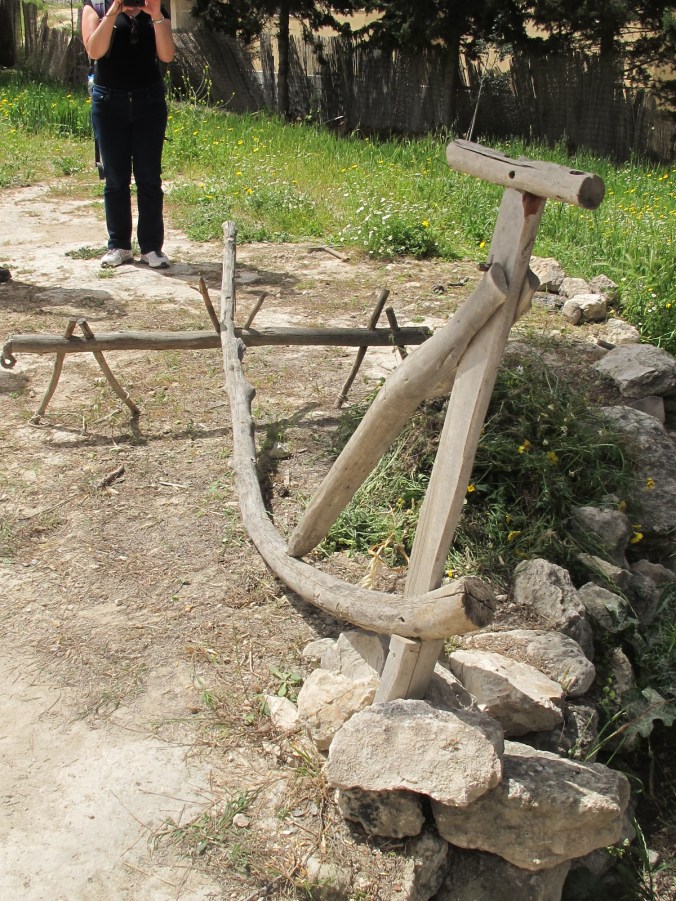
















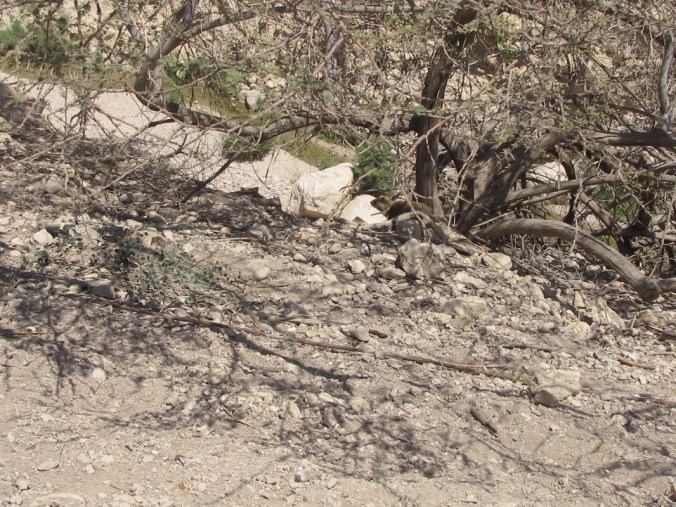 If you look very very carefully in the photo above – at the foot of the tree is an animal called a “coney” in the Bible. A bit like a bigger quokka without a tail. David wrote about them in Psalm 104. They live in the En Gedi area. It moved too quickly for me to get a better photo.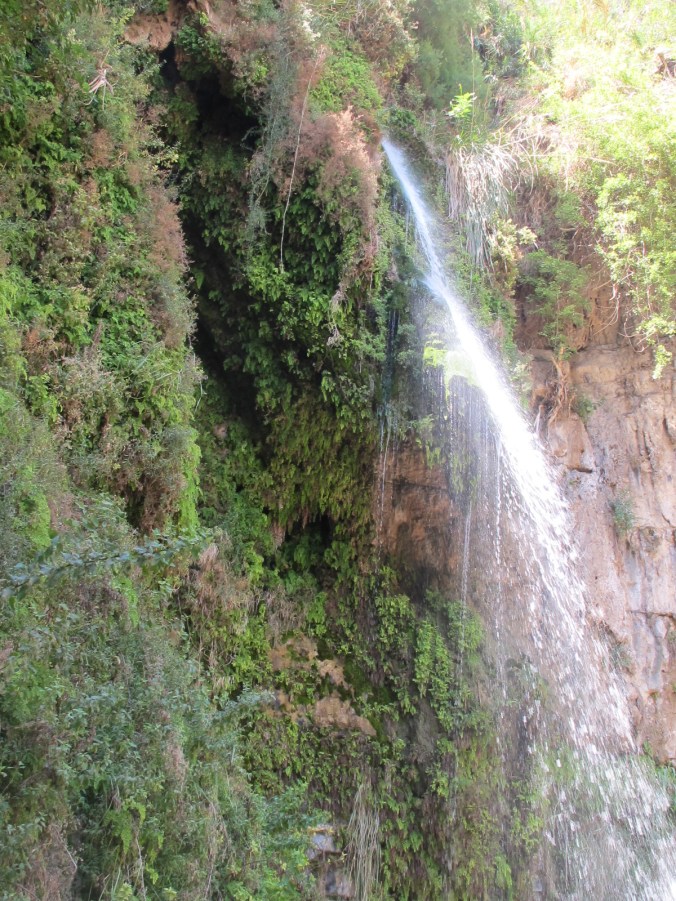








 Standing on a hill